Every Sanjay Leela Bhansali Movie Ranked by Visual Grandeur
A list by Advait Joshi
A definitive ranking of the auteur's filmography based on the sheer scale, opulence, and meticulous craftsmanship of their visual design. From painterly frames to architectural marvels, this list celebrates Bhansali's signature spectacle.
The Pantheon of Opulence: Ranked by Visual Grandeur
Padmaavat (2018)
The undisputed zenith. Every frame is a Renaissance painting brought to life. The surreal, shimmering 'Ghoomar' in the Sheesh Mahal, the stark golden desert, and the terrifying, monolithic siege of Chittor create a mythic scale unmatched in Indian cinema. The visual storytelling is absolute.
Visit Link →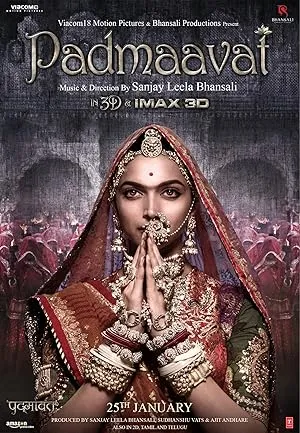
Bajirao Mastani (2015)
A volcanic eruption of color and conflict. The contrasting palettes—warm golds for Mastani's palace, cool blues for Kashibai's—are genius. The 'Pinga' dance is a synchronized spectacle of mirror work, while the 'Deewani Mastani' set is a breathtaking, multi-tiered architectural fantasy. Pure visual drama.
Visit Link →
Devdas (2002)
The film that redefined Bollywood grandeur. The colossal 'Dola Re Dola' set, Paro's flaming red lehenga against monsoonal grays, and Chandramukhi's crystal-and-silver kotha established the Bhansali template. It's a tragic opera where the visuals amplify the heartbreak to epic proportions.
Visit Link →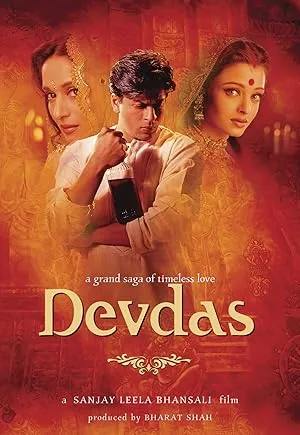
Gangubai Kathiawadi (2022)
Grandeur in grime. The vibrant, chaotic, and textured world of Kamathipura is built with stunning detail. Alia Bhatt's transformation, framed against rich reds, deep blues, and golden halos, turns the brothel into a stage for a tragic queen. It's opulence with a raw, powerful edge.
Visit Link →
Hum Dil De Chuke Sanam (1999)
Where the Bhansali visual signature was born. The Rajasthani haveli, drenched in saturated yellows and oranges, feels like a living, breathing entity. The 'Nimbooda' sequence is a folk-art explosion, and the Italian leg showcases a more melancholic, European palette. Lush and emotionally charged.
Visit Link →
Black (2005)
Grandeur of a different kind—monochromatic and monumental. The visuals are stark, high-contrast, and architectural, using light, shadow, and snowfall to reflect the protagonist's inner world. The scale here is emotional, built through Ravi K. Chandran's breathtaking cinematography rather than sets.
Visit Link →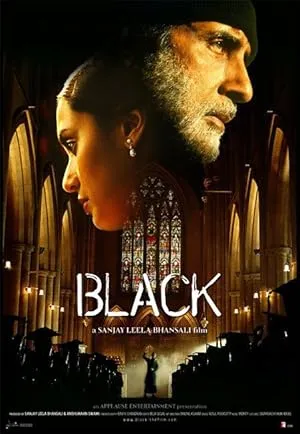
Guzaarish (2010)
A faded, Gothic elegance. Set in a Portuguese-style mansion in Goa, the film uses a palette of deep purples, velvety reds, and moody shadows. The magic show sequences provide flashes of theatrical spectacle, but overall, it's a more intimate, melancholic, and weathered visual poem.
Visit Link →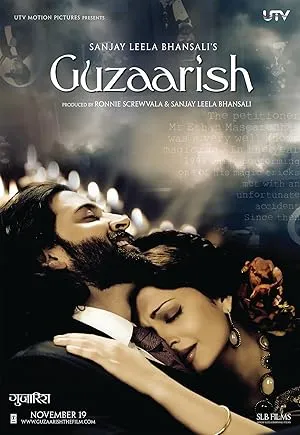
Saawariya (2007)
A bold, theatrical experiment. The entirely studio-built world, inspired by Rembrandt and Persian miniatures, is a stunning blue-noir fantasy. While the artificiality divided audiences, its commitment to a singular, dreamlike visual idea—the eternal night, the stylized bridge—is undeniably ambitious.
Visit Link →
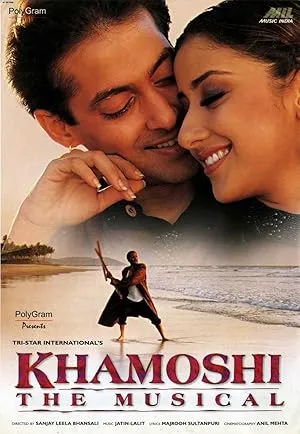
Khamoshi: The Musical (1996)
The poignant, black-and-white prologue. Bhansali's debut is visually subdued but deeply atmospheric. The Goan coastal setting, the rain-soaked streets, and the focus on expressive faces over sets show the raw emotional core that would later be amplified with grandeur.
Visit Link →